
Lactate Threshold Testing Brisbane
Discover how your body responds to increasing exercise intensity with Lactate Threshold Testing conducted by an Accredited Exercise Physiologist. Understand your results and receive personalised training zones and exercise recommendations tailored to your fitness and endurance goals.
What Is Lactate Threshold Testing?
Lactate Threshold Testing measures how your body responds to increasing exercise intensity by analysing small blood samples collected during a progressive exercise assessment. This helps identify your lactate thresholds and provides insight into your endurance capacity.
During your assessment, your Exercise Physiologist will measure your blood lactate levels at different exercise intensities to identify your individual thresholds. These results can be used to establish personalised heart rate, pace or power training zones and guide exercise recommendations based on your fitness levels and goals.
Who Is Lactate Threshold Testing For?
Lactate Threshold Testing provides insights into your endurance fitness by measuring how your body responds to increasing exercise intensity. Your results can help establish personalised training zones to guide your exercise and training.
Runners & Endurance Athletes
For runners and endurance athletes wanting to understand their lactate thresholds and establish personalised heart rate and pace zones to guide training.
Cyclists & Triathletes
For cyclists and triathletes looking to assess their endurance capacity and use individualised heart rate or power zones to inform their training.
Athletes Monitoring Progress
For individuals wanting to establish a baseline, compare lactate threshold results over time and monitor changes in endurance fitness.
Returning to Endurance Training
For individuals returning to running, cycling or endurance exercise after a break who want to assess their current fitness and guide their training.
What Happens During Your Lactate Threshold Assessment?
Your one-on-one appointment with an Accredited Exercise Physiologist combines health and exercise screening, lactate threshold testing and personalised exercise recommendations to help you understand your endurance fitness and guide your training.
1. Understanding Your Health & Goals
Your Exercise Physiologist will review your medical and exercise history, current training routine and individual goals. This helps determine your suitability for testing and guides your assessment and exercise recommendations.
2. Lactate Threshold Testing
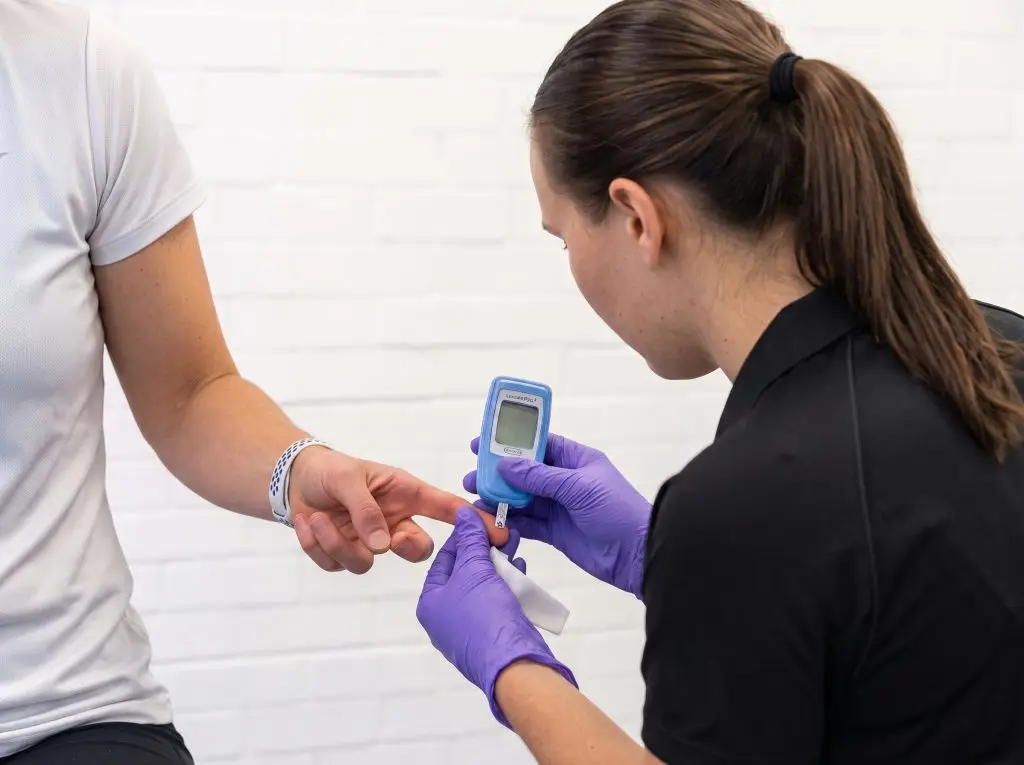
You’ll complete a progressive exercise test on a treadmill or stationary bike, with intensity increasing at set intervals. Small fingertip blood samples are collected throughout the test to measure your blood lactate levels at different exercise intensities.
3. Understanding Your Results
Following your test, your Exercise Physiologist will guide you through your cooldown and interpret your lactate threshold results. These findings help identify your individual exercise intensity thresholds and establish personalised heart rate, pace or power training zones, where appropriate.
4. Your Report & Exercise Recommendations
You’ll receive a comprehensive written report within 48 hours, outlining your lactate threshold results, personalised training zones and individualised exercise recommendations tailored to your fitness and training goals.
How to prepare
Follow these simple preparation guidelines to help ensure consistent testing conditions and reliable Lactate Threshold assessment results.
Exercise & Training
Avoid strenuous exercise in the 24 hours before your assessment. Light activity is generally fine, unless your Exercise Physiologist advises otherwise.
Food & Hydration
Avoid large meals for at least 3 hours and caffeine for at least 4 hours before your appointment. Stay well hydrated and follow any additional preparation instructions provided by your Exercise Physiologist.
What to Wear & Bring
Wear comfortable exercise clothing and suitable athletic shoes. Bring water, and a towel. You may also bring your heart rate monitor or training equipment if advised.
Health & Medications
Inform your Exercise Physiologist of any relevant medical conditions, recent illness, injuries or medications that may affect your assessment. Continue taking prescribed medications unless advised otherwise by your treating healthcare professional.
How we test
Your Lactate Threshold Assessment combines blood lactate measurements with a progressive exercise test on a treadmill or stationary bike. This allows your Accredited Exercise Physiologist to assess how your body responds to increasing exercise intensity and identify your individual lactate thresholds.
Lactate analyser
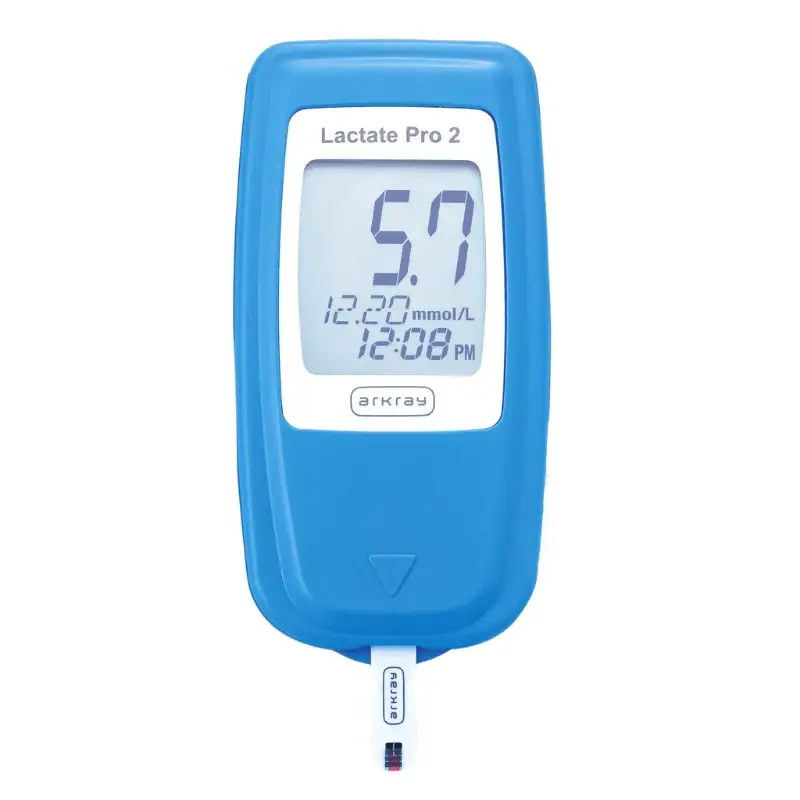
A handheld lactate analyser measures the concentration of lactate in your blood using small fingertip samples collected at different stages of your assessment. These measurements help identify your lactate thresholds and changes in your body’s response to increasing exercise intensity.
Treadmill or Stationary Bike
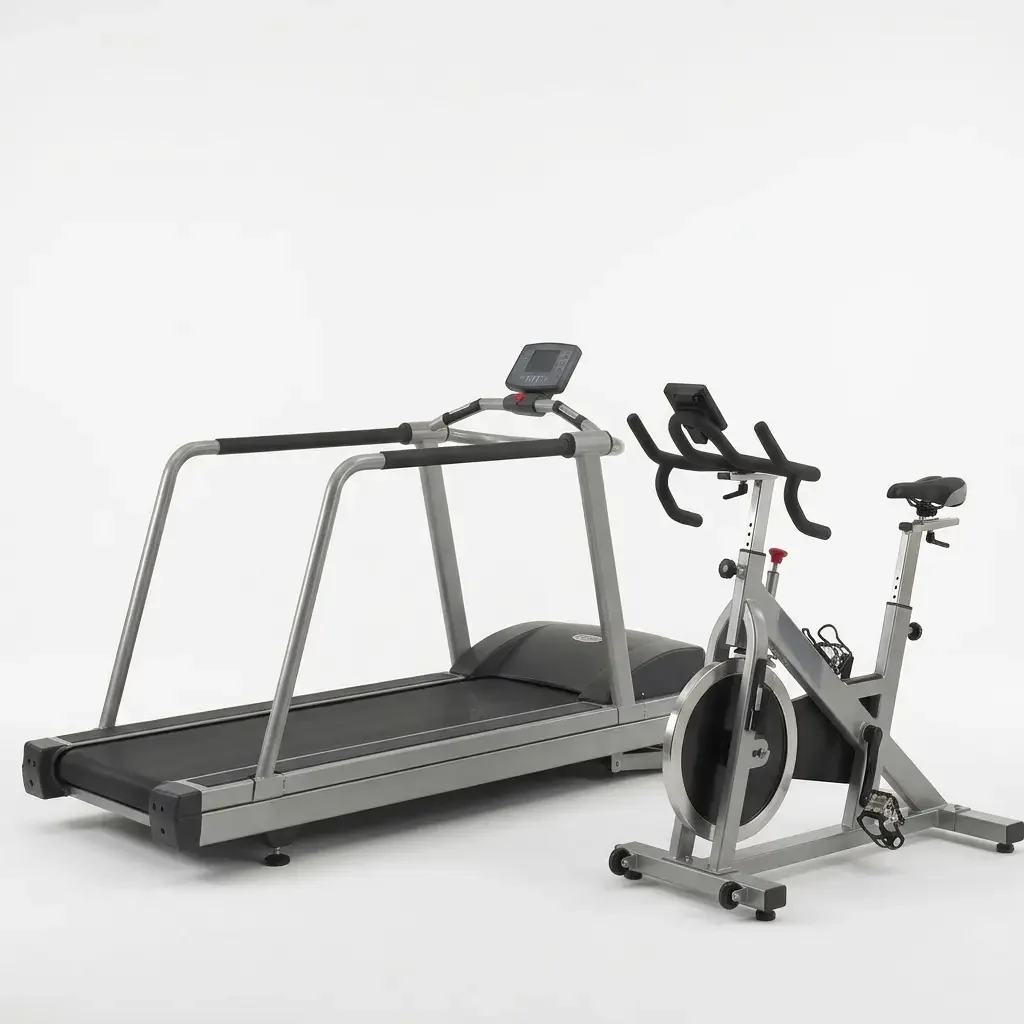
You’ll complete a progressive exercise test on a treadmill or stationary bike, with the intensity gradually increasing at set intervals. Your Exercise Physiologist will select the appropriate equipment and testing protocol based on your fitness, exercise experience and individual goals.
Together, these measurements allow your Exercise Physiologist to interpret your lactate response to exercise, identify individual training thresholds and develop personalised heart rate, pace or power zones to help guide your exercise and endurance training.
What You'll Receive After Your Lactate Threshold Assessment
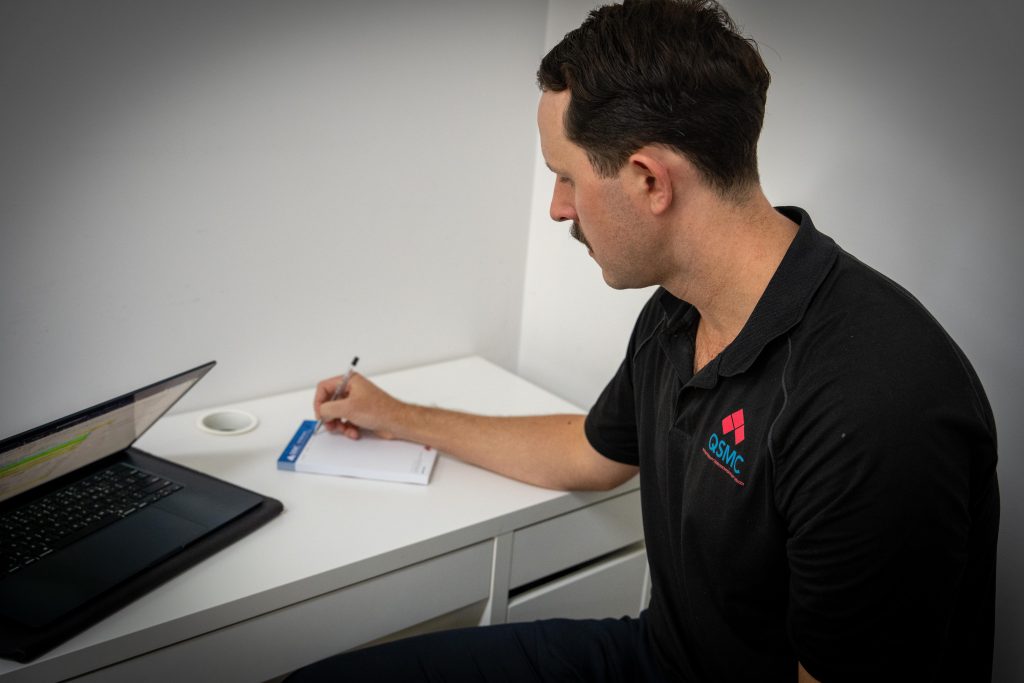
Your assessment goes beyond measuring blood lactate levels. Your Exercise Physiologist will explain your results and provide personalised exercise recommendations to help you understand your endurance fitness and guide your ongoing exercise and training.
Comprehensive Results Report: Receive a written report within 48 hours, outlining your lactate threshold results and key assessment findings.
Understanding Your Lactate Thresholds: Learn what your results mean, including your individual lactate thresholds (LT1 and LT2), where identifiable, and how they relate to exercise intensity.
Personalised Training Zones: Receive individualised heart rate, pace or power training zones based on your assessment results.
Individualised Exercise Recommendations: Practical training guidance tailored to your current fitness, exercise experience and personal goals.
Results You Can Track & Share: Use your results as a baseline for future assessments or share them with your coach or treating health professional.
Book Your Lactate Threshold Assessment in Woolloongabba
Take the next step towards understanding your endurance fitness with personalised Lactate Threshold Testing. Our Exercise Physiologists will help you interpret your results, identify your individual lactate thresholds and provide exercise recommendations tailored to your fitness and training goals.
Lactate Threshold Assessments are available exclusively at our Woolloongabba clinic in Brisbane.
Ready to get started? Explore our Exercise Physiologists below and book your Lactate Threshold Assessment directly with your preferred clinician.
Exercise Physiologists




Supporting runners, cyclists, triathletes and active individuals across Brisbane and South East Queensland. Book your Lactate Threshold Assessment with one of our Exercise Physiologists below.
If you’re unsure which clinician is best suited to your needs, our reception team can assist you in selecting an appropriate practitioner.
Why Choose QSMC for Lactate Threshold Testing?
At QSMC, our Lactate Threshold assessments combine endurance fitness testing with personalised exercise recommendations to help you understand your body’s response to exercise and make informed training decisions.
Accredited Exercise Physiologists: Assessments conducted by qualified professionals with expertise in exercise assessment and prescription.
Comprehensive Endurance Assessment: Includes a review of your health and exercise history, progressive lactate threshold testing and interpretation of your results.
Personalised Report & Training Zones: Receive a detailed report outlining your lactate thresholds, individualised heart rate, pace or power zones and exercise recommendations tailored to your goals.
Track Your Progress: Initial and retest options are available to monitor changes in lactate thresholds and endurance fitness over time.
Suitable for Different Fitness Levels: Assessments can be tailored to endurance athletes, recreational exercisers and individuals wanting to better understand their endurance fitness, subject to suitability screening.
Frequently Asked Questions
Do I need a referral for Lactate Threshold Testing?
No referral is required to book a Lactate Threshold Assessment with an Accredited Exercise Physiologist at our Woolloongabba clinic. You can book directly online or contact our reception team on 07 3891 2000.
When will I receive my Lactate Threshold Testing results?
Your Exercise Physiologist will discuss your initial results during your appointment, explaining your lactate thresholds and how they relate to your endurance fitness and training goals.
You’ll receive a comprehensive written report within 48 hours, including your assessment findings, personalised training zones and individualised exercise recommendations.
Does Lactate Threshold Testing hurt?
Lactate Threshold Testing involves collecting small fingertip blood samples at different stages of your exercise assessment. You may experience brief discomfort or a small prick when each sample is taken.
Your Exercise Physiologist will explain the process before testing and guide you throughout your appointment.
What are LT1 and LT2 in Lactate Threshold Testing?
LT1 and LT2 are two physiological thresholds used to understand how your body responds to increasing exercise intensity.
LT1 (First Lactate Threshold): The exercise intensity at which blood lactate begins to rise above baseline levels. It can help identify the transition from lower-intensity exercise towards more demanding aerobic activity.
LT2 (Second Lactate Threshold): A higher exercise intensity associated with a more pronounced increase in blood lactate concentration. It can help identify the transition towards higher-intensity exercise.
These thresholds can be used to establish individualised heart rate, pace or power training zones to guide endurance training.
What is the difference between VO₂ Max Testing and Lactate Threshold Testing?
Both assessments provide information about cardiovascular fitness and endurance performance, but they measure different physiological responses.
VO₂ Max Testing measures the maximum rate at which your body can use oxygen during progressively increasing exercise, providing an indication of aerobic capacity.
Lactate Threshold Testing measures changes in blood lactate concentration at different exercise intensities, helping identify individual lactate thresholds and establish personalised training zones.
The assessments provide complementary information and may be used separately or together, depending on your training goals.
How often should I repeat Lactate Threshold Testing?
Retesting may be useful for individuals wanting to monitor changes in lactate thresholds and endurance fitness following a period of structured training.
The appropriate interval depends on your training program, goals and individual circumstances. Your Exercise Physiologist can discuss whether follow-up testing would be useful and recommend an appropriate timeframe.
Explore Our Other Exercise Physiology Assessments
Our Exercise Physiologists offer a range of assessments to help you better understand your cardiovascular fitness, muscular strength and physical capabilities. Each assessment provides different insights to support your individual health, fitness and exercise goals.
VO₂ Max Testing
Measure your aerobic fitness and cardiovascular capacity through a progressive exercise assessment. Receive personalised results and exercise recommendations to help guide your health, fitness and training goals.
VALD Strength & Performance Testing
Assess muscular strength, power and potential strength imbalances using VALD technology, providing objective measurements to help inform exercise programming and monitor progress.
Our Locations
Visit QSMC in Brisbane
With clinics in Bowen Hills and Woolloongabba, QSMC delivers Physiotherapy and Exercise Physiology services across Brisbane, helping patients recover from injury, improve movement, and achieve their health and performance goals.